

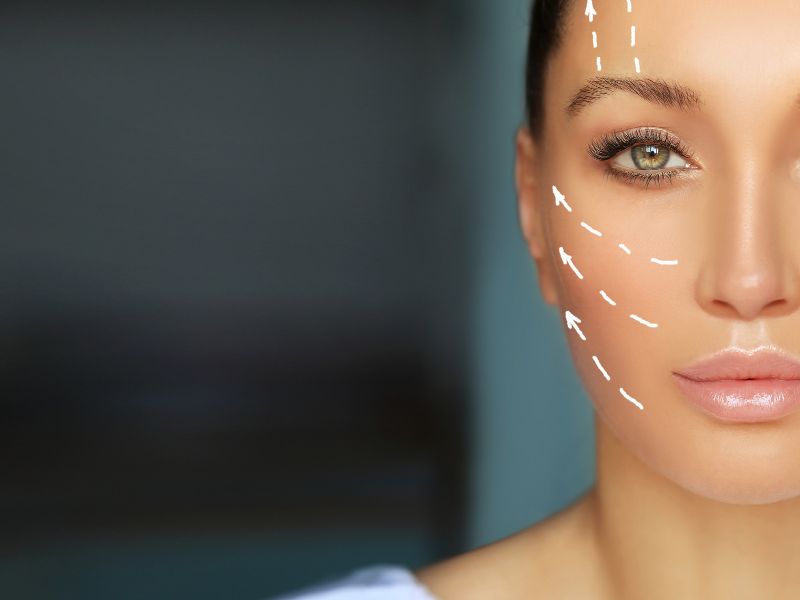
Facelift surgery is one of the aesthetic surgical procedures performed to correct sagging, laxity, and tissue displacement that develop in the face and neck areas with aging. In particular, downward displacement of the cheeks, loss of definition along the jawline, and sagging in the lower part of the face are among the primary concerns addressed by facelift surgery.
One of the most common questions among people considering facelift surgery is whether the results of facelift surgery are permanent. Since the tissues are repositioned during surgery and excess skin is removed when necessary, the changes achieved through the procedure are long-lasting. However, facelift surgery does not stop the natural aging process.
For this reason, the results of facelift surgery should not be interpreted as maintaining the same appearance for a lifetime. A person continues to age after surgery, and new signs of aging may develop over the years depending on factors such as skin elasticity, gravity, genetic characteristics, and lifestyle.
How Many Years Does a Facelift Last?
How long the effects of facelift surgery last can vary from person to person. In general, the results achieved with comprehensive facelift surgery can remain noticeable for approximately 10 years or longer.
However, this period should not be considered a fixed expiration date. For example, the face is not expected to suddenly return to its preoperative appearance 10 years after surgery. Instead, the natural aging process continues over the years, and laxity may gradually develop again in the skin and facial tissues.
The duration of the results can be affected by many factors, including the person’s age, skin quality, genetic characteristics, surgical technique used, level of sun exposure, smoking, and weight fluctuations.
Does the Face Sag Again After Facelift Surgery?
After facelift surgery, laxity and sagging may gradually develop again in the facial tissues over the years. The main reason for this is not that the surgery has failed, but that the natural aging process continues.
As a person ages, the elastic structure of the skin changes, the volume and position of the soft tissues may shift, and the effects of gravity continue. Therefore, new age-related changes may develop over the years in the facial contours that were corrected during surgery.
However, aging that occurs after facelift surgery does not mean that the person will return to the same starting point as if they had never undergone surgery. Because the tissues are surgically repositioned, a different facial contour compared with the preoperative appearance may be maintained in the long term.
Is There a Difference in Longevity Between a Mini Facelift and a Full Facelift?
There are differences between a mini facelift and a full facelift in terms of both the anatomical areas treated and the extent of the surgical procedure.
A mini facelift is generally preferred to correct more limited and early-stage laxity in the lower part of the face. The extent of the surgical intervention is more limited.
A full facelift, on the other hand, may involve the treatment of a broader area in cases with more pronounced signs of aging and, when necessary, the repositioning of deeper facial tissues.
For this reason, it is not appropriate to compare the longevity of the two procedures solely in terms of years. The appropriate technique should be determined according to the person’s facial anatomy, degree of sagging, skin structure, and surgical needs.
When Do the Results of Facelift Surgery Become Visible?
The results of facelift surgery cannot be fully evaluated immediately after the operation. Swelling, bruising, and tightness in the tissues may occur during the first few days. These changes may temporarily make it difficult to see the actual results of the procedure.
During the first few weeks, swelling gradually decreases and the facial contours begin to become more defined. The time required to return to social activities may vary depending on the extent of the procedure and the individual’s rate of recovery.
It may take longer for the tissues to settle completely and for the face to achieve a more natural appearance. For this reason, the results of facelift surgery should not be evaluated based on the appearance during the early recovery period.
How Can the Effects of Facelift Surgery Be Maintained for Longer?
It is not possible to completely stop aging after surgery. However, certain lifestyle habits can help maintain skin health and preserve the appearance achieved through surgery.
Regular use of sunscreen, avoiding smoking, maintaining a balanced diet, adequate fluid intake, and avoiding significant weight fluctuations are important during this process.
In addition, postoperative follow-up appointments recommended by the surgeon should not be neglected. In the following years, different treatments aimed at improving skin quality or facial volume may be considered. However, the necessity and timing of these treatments should be planned individually.
Does Facelift Surgery Stop Aging?
No. Facelift surgery does not stop the aging process.
During the operation, existing sagging and tissue laxity are corrected with the aim of achieving a younger and more balanced facial appearance. However, biological aging continues after surgery.
This means that facelift surgery should be considered a surgical procedure designed to correct existing signs of aging rather than a procedure that “stops aging.”
For example, new skin laxity or new signs of aging in the face and neck may develop years after surgery. When and to what extent these changes occur varies from person to person.
Can Facelift Surgery Be Performed Again?
In people who have previously undergone facelift surgery, a second facelift procedure may be considered if noticeable signs of aging develop again over the years.
However, whether a second surgery is necessary is not determined solely by the amount of time that has passed since the first operation. The current condition of the facial tissues, the technique used during the previous surgery, the location of surgical scars, skin quality, the person’s overall health, and their expectations should all be evaluated.
Since surgical planning may differ in previously operated tissues, revision or secondary facelift procedures should be approached on an individual basis.
Is Facelift Surgery a Permanent Solution?
Facelift surgery is a surgical procedure that provides long-lasting results, but it does not permanently stop the aging process. During the operation, excess skin may be removed and the deeper tissues of the face may be repositioned. These changes are achieved surgically, and the results can be maintained for many years.
However, the person continues to age after surgery. Therefore, laxity or sagging may gradually develop again in the face and neck areas over the years.
How long the results are maintained depends on the facelift technique used, the person’s skin structure, age, genetic characteristics, and lifestyle habits. Therefore, when planning facelift surgery, it is important to consider not only how the operation will be performed but also the selection of a technique appropriate for the person’s facial anatomy and the establishment of realistic long-term expectations.