
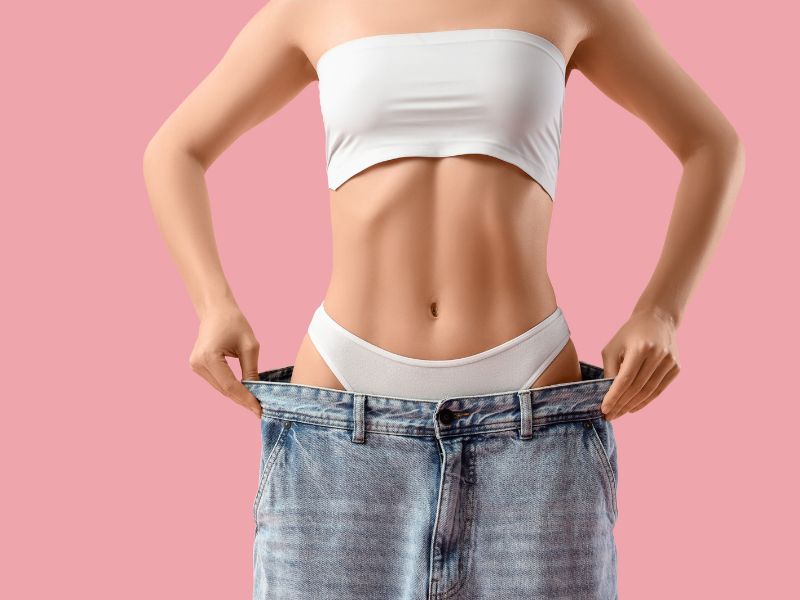
Liposuction in Istanbul is one of the aesthetic surgical procedures performed to reduce fat deposits that remain in certain areas despite diet and regular exercise and to reshape body contours. Localized fat deposits that develop especially in areas such as the abdomen, waist, hips, legs, back, arms, and under the chin can affect body proportions even when a person’s weight is within the normal range.
Although liposuction is commonly known as fat removal surgery, its primary purpose is not to help a person lose weight in general. During the procedure, fat tissue in specific areas is reduced in a controlled manner to create a more balanced body contour.
For this reason, in individuals considering liposuction in Istanbul, surgical planning should not be based solely on the amount of fat to be removed; the person’s body structure, skin elasticity, fat distribution, weight, and expectations should be evaluated together.
What Is Liposuction?
Liposuction is a procedure in which excess fat tissue in specific areas of the body is removed using thin cannulas and a vacuum system. In medical literature, it may also be referred to as lipoplasty or lipoaspiration.
The primary aim of the procedure is to reduce localized fat tissue and create more balanced body contours. Liposuction may be preferred especially for fat deposits that remain unchanged despite weight loss or that are genetically concentrated in certain areas.
For example, a person may have noticeable fat deposits around the waist, lower abdomen, or hips despite having a normal body weight. In this case, liposuction may be planned to make the targeted area more harmonious with the surrounding tissues.
It should be remembered that liposuction is not a treatment for obesity or a general weight-loss method. The main expected result of the procedure is a change in body shape and proportions rather than a significant change on the scale.
Which Areas Can Liposuction Be Applied to in Istanbul?
Liposuction is a body contouring procedure that can be applied to different areas of the body. However, because the anatomical structure and fat distribution of each area are different, the technique to be used and the amount of fat to be removed are determined individually.
Abdominal Liposuction
The abdominal area is one of the most commonly treated areas with liposuction. Localized fat deposits, especially in the lower and upper abdomen, can be reduced during the procedure.
However, if there is significant excess skin or separation of the abdominal muscles, liposuction alone may not be sufficient. In such cases, different surgical options such as a tummy tuck may be considered.
Waist and Flank Liposuction
Fat deposits on the sides of the waist, commonly referred to as love handles, can significantly affect the body silhouette.
Evaluating the abdomen and waist areas together can help create a more balanced contour of the front and back of the body.
Hip and Leg Liposuction
Fat deposits in the hip and thigh areas can be particularly resistant due to genetic factors.
Localized fat tissue in areas such as the outer thighs, inner thighs, and around the knees can be reduced with liposuction in suitable patients.
When planning treatment in the leg area, not only the amount of fat but also symmetry between the right and left legs and skin elasticity should be evaluated.
Arm Liposuction
Fat deposits in the upper arms may persist in some individuals despite weight loss. Arm liposuction may be performed in patients with sufficient skin elasticity.
However, in individuals with significant skin sagging, fat removal alone may not provide the desired result. Therefore, evaluating the skin structure before surgery is important.
Double Chin Liposuction
Localized fat deposits under the chin may make the transition between the face and neck appear less defined.
Double chin liposuction can be performed in suitable patients to reduce fat tissue under the chin and create a more defined jawline and neck contour.
How Is Liposuction Performed?
Before liposuction surgery, the areas to be treated are identified and surgical planning is carried out on the body.
Before liposuction surgery, the areas to be treated are identified and surgical planning is carried out on the body.During the operation, thin tubes called cannulas are inserted through small incisions into the targeted area. With the help of these cannulas, the fat tissue is loosened in a controlled manner and removed from the body using a vacuum system.
During the operation, thin tubes called cannulas are inserted through small incisions into the targeted area. With the help of these cannulas, the fat tissue is loosened in a controlled manner and removed from the body using a vacuum system.The operation may be performed under local anesthesia, sedation, or general anesthesia. The type of anesthesia used is determined according to the size of the treatment area, the number of areas being treated, and the patient’s general condition.
The operation may be performed under local anesthesia, sedation, or general anesthesia. The type of anesthesia used is determined according to the size of the treatment area, the number of areas being treated, and the patient’s general condition.The aim of liposuction is not to remove the maximum possible amount of fat. The primary goal is to create a balanced body contour that is harmonious with the surrounding areas while remaining within safe limits.
What Are the Types of Liposuction Techniques?
The aim of liposuction is not to remove the maximum possible amount of fat. The primary goal is to create a balanced body contour that is harmonious with the surrounding areas while remaining within safe limits. What Are the Types of Liposuction Techniques?
Different techniques can be used in liposuction procedures. The method used may vary according to the person’s body structure, the characteristics of the fat tissue, and the surgeon’s treatment plan.
In traditional liposuction, fat tissue is removed using cannulas and vacuum suction.
In ultrasound-assisted systems such as VASER liposuction, ultrasound energy is used to break down or separate the fat tissue before removal.
However, the name of the technology alone does not determine the outcome of the procedure. Appropriate patient selection, accurate surgical planning, and proper evaluation of body anatomy are more important factors.
Who Is Suitable for Liposuction?
Liposuction may be considered especially for individuals who are close to their ideal body weight but still have fat deposits in specific areas.
Suitable candidates generally include individuals who have:
- Localized fat deposits that are resistant to diet and exercise,
- A relatively stable body weight,
- Adequate skin elasticity,
- No serious health condition that would prevent surgery,
- Realistic expectations regarding the results.
Liposuction should not be used as a weight-loss method in individuals with severe obesity.
In patients who are significantly overweight, weight control may need to be achieved first, followed by an evaluation of the remaining localized fat deposits.
What Is the Recovery Process Like After Liposuction?
During the first few days after liposuction, swelling, tenderness, edema, and bruising in the treated areas are expected.
The recovery process may vary depending on the number of treated areas, the amount of fat removed, the technique used, and the person’s overall health condition.
After the operation, the use of a special compression garment is generally recommended. The garment can help support the tissues during healing and control swelling.
Light walking may be recommended during the first few days to support circulation. For strenuous exercise and intense physical activity, the period recommended by the surgeon should be followed.
Although many people can begin returning to their daily activities within a short period, complete tissue healing takes longer.
How Much Fat Can Be Removed with Liposuction?
Liposuction does not remove the same amount of fat for everyone.
The person’s body weight, the number of areas being treated, the distribution of fat tissue, overall health condition, and the extent of the procedure are evaluated together.
The main goal is not to remove the highest possible amount of fat but to achieve balanced body contouring while maintaining patient safety.
For this reason, it is not appropriate to evaluate the procedure solely based on “how many liters of fat will be removed” before surgery.
Achieving More Balanced Body Contours with Liposuction in Istanbul
Liposuction in Istanbulis one of the body contouring procedures preferred for reducing localized fat deposits that remain after weight loss or due to genetically determined fat distribution.
Liposuction can be applied to different areas such as the abdomen, waist, hips, legs, arms, back, and under the chin, and the aim is not only to reduce the amount of fat but also to create more balanced overall body proportions.
The outcome of the operation may vary depending on the person’s current weight, skin structure, fat distribution, treatment areas, and surgical planning. Therefore, when considering liposuction, it is necessary first to determine whether the person is suitable for the procedure through an examination and to create an individualized surgical plan.