

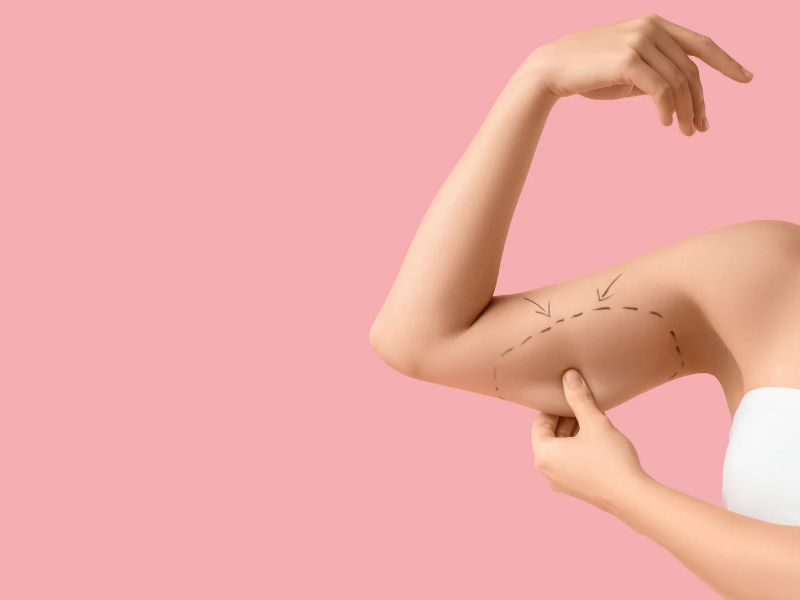
Returning to normal life after an arm lift depends on the extent of the surgery, the patient’s overall health, and the individual healing process. Arm lift surgery, also known as brachioplasty, is a surgical procedure performed to correct sagging skin in the upper arms, particularly resulting from significant weight loss, aging, and reduced skin elasticity. One of the most common concerns among patients after surgery is when they can return to their daily activities, work, and exercise routines.
After arm lift surgery, patients can generally return to light daily activities and desk jobs within 7–14 days. However, heavy lifting, intense exercise, and movements that strain the arm muscles usually require a recovery period of 4–6 weeks or longer. The reduction of postoperative swelling, tissue healing, and improvement in arm contour may continue for several months.
Following the recommended compression garment guidelines, movement restrictions, and scheduled medical checkups is essential for supporting a healthy recovery process.
What Is the Recovery Process Like After Arm Lift Surgery?
The recovery process after arm lift surgery varies depending on the extent of the surgical procedure and the patient’s ability to heal. During the operation, excess skin is removed from the upper arms, and fatty tissue may also be reduced when necessary to create a firmer and more defined arm contour.
After surgery, swelling, bruising, tightness, and mild to moderate pain may occur in the treated area. These symptoms are generally more noticeable during the first few days and gradually decrease as healing progresses.
The recovery process after an arm lift generally follows this timeline:
- First 1–3 days: Swelling, tenderness, and tightness may occur in the arms. Rest and short walks are important during this period.
- First week: Pain and swelling usually begin to decrease. Patients may manage basic daily activities without putting excessive strain on their arms.
- 7–14 days: Suitable patients may return to desk jobs and light social activities.
- 2–4 weeks: Tightness during movement may decrease, allowing daily activities to be gradually increased.
- 4–6 weeks: With medical approval, patients may begin increasing physical activity and performing certain exercises.
- 3–6 months: Most of the swelling subsides, and the new arm contour becomes more noticeable.
These periods represent an approximate recovery timeline. Patients who require extensive skin removal or undergo additional surgical procedures may experience a longer recovery period.
How Many Days After Arm Lift Surgery Can You Return to Work?
Returning to work after arm lift surgery depends on the physical requirements of the patient’s occupation. Individuals who work at a desk generally have different recovery needs compared to those whose jobs involve heavy lifting or frequent arm movements.
Patients with desk jobs can usually return to work within 7–14 days if recovery progresses without complications. However, prolonged computer use, keeping the arms in the same position for extended periods, or making sudden movements may initially cause discomfort.
People working in physically demanding occupations may need a longer recovery period. Heavy lifting, pushing, pulling, and repeatedly raising the arms can place additional pressure on the healing tissues.
Therefore, the appropriate time to return to work should be determined not only by the number of days since surgery but also by wound healing and the physical demands of the patient’s job.
What Should You Consider During the First Week After an Arm Lift?
The first week after arm lift surgery is an important period during which wound healing begins and the surgical area requires protection. During this time, arm movements should be controlled, prescribed medications should be taken as directed, and surgical dressings should be properly maintained.
Supporting the arms in an appropriate position during the first few days may help manage swelling. However, complete immobility is generally not recommended. Taking short walks within the limits approved by the surgeon is important for supporting circulation.
Important precautions during the first week include:
- Avoid suddenly raising your arms above your head.
- Do not lift heavy objects or strain your arm muscles.
- Wear the recommended compression garment as instructed.
- Keep the surgical area clean and dry.
- Take prescribed medications according to medical instructions.
- Avoid smoking and nicotine products.
- Attend all scheduled follow-up appointments.
If increasing pain, significant redness, foul-smelling discharge, or fever occurs around the surgical area, patients should contact their surgeon.
When Does Swelling Go Away After Arm Lift Surgery?
Swelling and edema after arm lift surgery are natural tissue responses to surgical intervention. Temporary fluid accumulation may occur because the tissues are manipulated during the procedure.
Swelling is usually more noticeable during the first few days and gradually decreases over the following weeks. Many patients experience a significant reduction in swelling within the first 3–4 weeks.
However, mild swelling may persist for several months. After more extensive arm lift procedures, it may take longer for the final arm contour to become clearly visible.
Wearing the recommended compression garment, maintaining adequate hydration, taking gentle walks, and supporting the arms as instructed by the surgeon may help manage postoperative swelling.
Sudden and significant swelling in one arm, severe pain, or changes in skin color should not be considered normal healing symptoms and require medical evaluation.
When Can You Shower After Arm Lift Surgery?
The appropriate time to shower after arm lift surgery depends on the type of surgical dressings, the condition of the stitches, and whether surgical drains were placed during the procedure.
Some patients may be allowed to shower 48–72 hours after surgery, while others may need to wait longer. If open wound areas are present or surgical drains are being used, the surgeon’s instructions should always take priority.
During showering, patients should avoid rubbing the surgical area aggressively, using excessively hot water, or applying unnecessary pressure to the incision sites. The area should be dried gently afterward.
Activities involving prolonged exposure to water, such as taking baths, swimming in pools, visiting saunas, or swimming in the sea, should be avoided until the wounds have fully closed and the surgeon has given approval.
When Do Arm Lift Scars Heal?
Arm lift surgery leaves a surgical scar along the incision line. The incision is generally positioned along the inner or lower-back portion of the upper arm. The length of the incision may vary depending on the amount of excess skin that needs to be removed.
During the first few weeks after surgery, the incision line may appear pink or red. As healing progresses, the color and visibility of the scar may gradually decrease.
Scar maturation after arm lift surgery generally takes 6–12 months or longer. However, surgical scars should not be expected to disappear completely.
The appearance of scars depends on individual genetic characteristics, skin type, wound healing, and postoperative care. Surgeon-recommended silicone-based products and sun protection may be considered as part of scar management.
How Long Does Full Recovery Take After Arm Lift Surgery?
Full recovery after arm lift surgery involves more than simply returning to daily activities. Tissue healing, swelling reduction, and scar maturation occur at different stages.
Many patients can gradually resume their daily routines within the first 1–2 weeks. Returning to more demanding physical activities is generally considered during the 4–8 week recovery period.
The new arm contour typically becomes more defined within 3–6 months, while surgical scars may continue to mature for a year or longer.
Factors that may influence recovery time include age, overall health, smoking, diabetes, nutritional status, the extent of surgery, and adherence to postoperative wound care instructions.
What Factors Affect Returning to Normal Life After an Arm Lift?
Recovery after arm lift surgery does not progress at the same pace for every patient. In particular, procedures involving the removal of significant amounts of excess skin may require a longer tissue healing period.
Combining arm lift surgery with additional procedures, such as liposuction may also affect recovery time. The patient’s occupation, daily activity level, and overall health are important factors when determining when normal activities can be resumed.
Maintaining a balanced diet with adequate protein intake, avoiding smoking, attending follow-up appointments, and gradually increasing physical activity may help support the healing process.
Although the general timeframe for returning to normal life after an arm lift is approximately 7–14 days, this does not mean that the body has fully recovered. Gradually resuming daily activities and returning to strenuous exercise should be considered separately. Following postoperative movement restrictions and having the healing process monitored by the surgeon are essential for reducing the risk of complications.


