

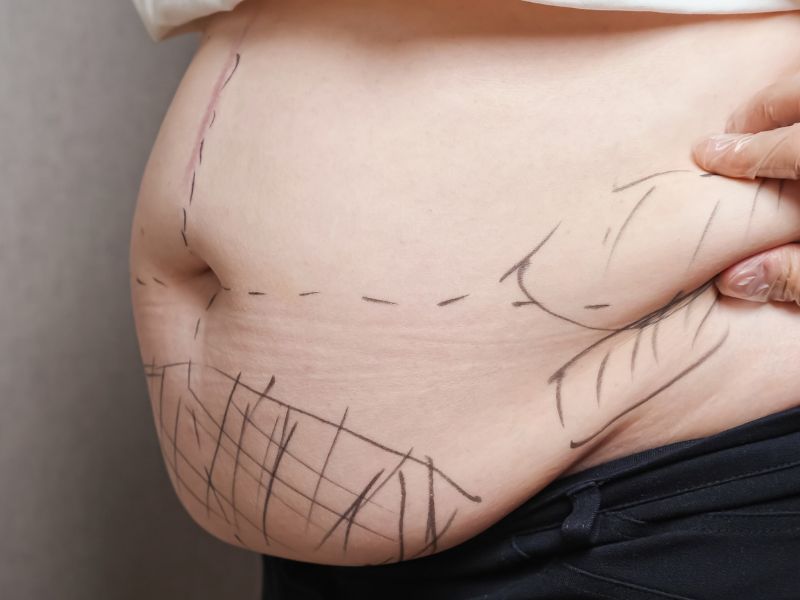
Liposuction in Turkey is one of the aesthetic surgical options considered by individuals who want to eliminate localized fat deposits and achieve more balanced body contours. Liposuction is a body contouring procedure that surgically removes stubborn fat deposits that do not respond adequately to diet and exercise. It can be performed on various areas of the body, particularly the abdomen, waist, hips, back, arms, and thighs.
Liposuction surgery in Turkey is performed at healthcare facilities specializing in plastic, reconstructive, and aesthetic surgery. Available in Istanbul and other major cities, this procedure aims not only to reduce excess fat tissue but also to improve overall body proportions and create a more balanced silhouette.
However, it is important to understand that liposuction is not a weight loss method. Achieving satisfactory results requires a comprehensive assessment of the patient’s overall health, skin elasticity, fat distribution, and expectations regarding the procedure.
What Is Liposuction and How Is It Performed?
Liposuction is a surgical procedure that removes subcutaneous fat deposits from specific areas of the body using thin cannulas and specialized suction systems. Commonly referred to as fat removal surgery, liposuction is primarily performed to reduce localized fat deposits and improve body contours.
Before surgery, the surgeon evaluates the patient’s body structure and identifies the areas where fat removal is required. During the procedure, small incisions are made, and excess fat tissue is carefully removed using cannulas inserted beneath the skin.
Liposuction surgery may be performed under general anesthesia or alternative anesthesia techniques in suitable patients. The duration of the procedure depends on the number of treatment areas and the amount of fat planned for removal.
The primary goal of liposuction is not to remove as much fat as possible. Instead, the objective is to achieve a proportionate and balanced appearance while preserving the body’s natural anatomical structure.
Who Is a Suitable Candidate for Liposuction in Turkey?
Individuals considering liposuction in Turkey should first undergo a medical evaluation to determine whether they are suitable candidates for surgery. Liposuction may be considered for adults in good general health who have stubborn fat deposits in specific areas of the body.
Suitable candidates for liposuction generally include:
- Individuals who are close to their ideal body weight or have maintained a stable weight for an extended period.
- People experiencing localized fat accumulation despite following a healthy diet and exercising regularly.
- Adults with adequate skin elasticity.
- Individuals whose overall health condition allows them to undergo surgery safely.
- Patients with realistic expectations about the potential results.
- Individuals who can follow postoperative care instructions and recovery recommendations.
Liposuction is not a substitute for obesity treatment. Additionally, it does not completely eliminate loose skin, stretch marks, or cellulite.
For patients with significant skin laxity, fat removal alone may not provide the desired results. In such cases, additional body contouring procedures, such as tummy tuck surgery, may need to be considered.
Which Areas Can Be Treated with Liposuction in Turkey?
Liposuction can be performed on different areas of the body to reduce localized fat deposits. Treatment planning is based on the patient’s anatomical characteristics and fat distribution.
Abdominal Liposuction: Abdominal liposuction aims to remove subcutaneous fat deposits that remain resistant to diet and exercise. However, it does not tighten abdominal muscles or remove excess skin.
Waist Liposuction: Waist liposuction may be performed to reduce fat accumulation around the waist and create a more defined waistline.
Hip Liposuction: Hip liposuction targets localized fat deposits around the hips and outer thighs, helping improve body proportions.
Leg Liposuction: It can be performed on the inner and outer thigh areas. The procedure is planned taking into account the overall proportions of the legs and the skin’s structure.
Arm Liposuction: Arm liposuction reduces localized fat deposits in the upper arms. However, patients with significant skin sagging may require arm lift surgery.
Chin Liposuction: Chin liposuction may be considered to reduce excess fat beneath the chin and improve the definition of the jawline and neck.
Liposuction can be performed on multiple body areas during the same surgical session. However, the amount of fat that can be safely removed and the extent of the procedure must be determined according to the patient’s health condition.
What Types of Liposuction Are Available in Turkey?
Different surgical technologies can be used during liposuction procedures. The most appropriate technique is selected based on the patient’s needs, the treatment area, and the surgeon’s assessment.
Traditional Liposuction
Traditional liposuction involves removing subcutaneous fat tissue using thin cannulas connected to a suction system. It can be performed on areas such as the abdomen, waist, hips, and thighs in suitable patients.
Vaser Liposuction
VASER liposuction is an ultrasound-assisted technique that uses ultrasonic energy to facilitate the breakdown and removal of fat tissue. It may be considered for procedures designed to enhance body contours and definition.
However, VASER liposuction does not necessarily provide better results than traditional liposuction for every patient. Potential risks associated with energy-based devices, including tissue damage and burns, must also be considered.
Laser Liposuction
Laser liposuction uses laser energy during the fat removal process. In certain cases, it may be preferred to support some degree of skin tightening.
Nevertheless, the effectiveness of laser-assisted procedures varies depending on individual skin characteristics. These techniques may not replace surgical skin tightening procedures in patients with significant excess skin.
How Does the Liposuction Procedure Work in Turkey?
Liposuction surgery in Turkey begins with a comprehensive medical evaluation. Preoperative consultations and travel arrangements are particularly important for international patients traveling to Turkey for treatment.
During the initial consultation, the patient’s medical history, current medications, previous surgeries, and existing medical conditions are reviewed. The surgeon then examines the treatment areas and develops a personalized surgical plan.
Before surgery, necessary blood tests and an anesthesia assessment are performed. Patients are informed about smoking, medications that may increase bleeding risks, and other factors that could negatively affect recovery.
During the operation, excess fat tissue is carefully removed from the planned treatment areas. Once the procedure is completed, patients may be fitted with a suitable compression garment.
The length of hospital stay depends on the extent of surgery and the patient’s overall condition. Some patients may be discharged on the same day, while others may require hospital observation.
Liposuction in Istanbul, Turkey
Liposuction in Istanbul is one of the aesthetic surgery options considered by both local and international patients seeking body contouring procedures in Turkey. Various healthcare facilities throughout the city offer traditional, ultrasound-assisted, and other liposuction techniques.
Individuals planning to undergo liposuction in Istanbul should not focus solely on the technology used or the cost of surgery. The surgeon’s qualifications, the standards of the healthcare facility, and the availability of postoperative care are equally important considerations.
For international patients, preoperative evaluations, accommodation arrangements, follow-up appointments, and return travel planning should be carefully organized.
Patients traveling to Turkey for liposuction are advised to verify the relevant authorizations of their chosen healthcare provider and understand what medical support will be available if complications develop after surgery.
How Long Does Recovery Take After Liposuction?
Recovery after liposuction varies depending on the number of treated areas, the amount of fat removed, and the patient’s individual characteristics.
Swelling, bruising, tenderness, and temporary numbness may occur after surgery. These symptoms generally decrease gradually as the healing process progresses.
Important recommendations during liposuction recovery include:
- Wearing a compression garment for the period recommended by the surgeon.
- Taking short, gentle walks during the early postoperative period when medically appropriate.
- Avoiding strenuous exercise and physically demanding activities until approved by the surgeon.
- Keeping the surgical areas clean and following wound care instructions.
- Follow-up appointments should not be missed.
- Maintaining adequate hydration and a balanced diet.
Some patients may return to light desk-based work within several days to a few weeks. However, recovery may take longer after extensive liposuction procedures involving multiple body areas.
Swelling may take several months to fully resolve, and the final body contour may become more noticeable over time. In some patients, evaluating the final results may take up to six months.
If unexpected severe pain, shortness of breath, chest pain, or swelling in one leg develops after surgery, emergency medical evaluation is necessary.
What Are the Risks of Liposuction Surgery?
Liposuction is a surgical procedure and therefore involves certain risks. As with other surgical operations, complications related to anesthesia, infection, and bleeding may occur.
Potential complications specifically associated with liposuction include:
- Skin irregularities and asymmetry.
- Prolonged swelling and bruising.
- Temporary or permanent changes in skin sensation.
- Fluid accumulation.
- Delayed wound healing.
- Deep vein thrombosis and pulmonary embolism.
- Internal organ injuries in rare cases.
The risk of complications may be influenced by factors such as the extent of surgery, the patient’s overall health, and the surgical technique used.
Therefore, before undergoing liposuction in Turkey, patients should discuss both the potential benefits and possible risks of the procedure with their surgeon.
Are Liposuction Results Permanent?
Liposuction permanently reduces the number of fat cells in the treated areas. However, this does not mean that fat accumulation can never occur again after surgery.
If a patient gains weight, the remaining fat cells may increase in size, leading to changes in body contours.
For this reason, maintaining a balanced diet, engaging in regular physical activity, and managing body weight are important for preserving liposuction results over the long term.
Additionally, aging, pregnancy, and significant weight fluctuations may affect skin elasticity and body shape over time.
What Should You Consider Before Getting Liposuction in Turkey?
Individuals planning to undergo liposuction in Turkey should carefully evaluate their surgeon and healthcare facility before making a final decision.
First, the surgeon’s qualifications and specialization in plastic, reconstructive, and aesthetic surgery should be verified. It is also important to ensure that the healthcare facility has appropriate operating room conditions and anesthesia services.
During the preoperative consultation, patients should discuss the proposed surgical technique, treatment areas, expected results, and possible complications in detail.
International patients traveling to Turkey for medical tourism should also plan the appropriate length of their postoperative stay with their surgeon. Long flights, prolonged immobility, and the postoperative recovery period may increase the risk of blood clots, making individualized preventive measures important.
Liposuction surgery in Turkeycan help reduce localized fat deposits when performed with appropriate patient selection and personalized surgical planning. However, results vary from person to person, and no surgical procedure is completely risk-free.
Before undergoing liposuction, a comprehensive evaluation by a qualified specialist is essential for establishing realistic expectations and planning a safe treatment process.


