
The signs that time leaves on the skin, combined with gravity, loss of elasticity, and environmental factors, lead to noticeable sagging and volume loss in facial contours. Although medical aesthetic procedures can delay the signs of aging to a certain extent, surgical intervention becomes inevitable in order to fully correct deformities that occur in the deeper tissues. As one of the global centers of medical tourism and aesthetic surgery, Turkey is among the most preferred countries for facelift surgery thanks to its advanced healthcare infrastructure and experienced surgeons.
In this comprehensive guide, we discuss in full detail the medical aspects of the process, surgical techniques, recovery period, and critical factors that should be considered by those planning to undergo facelift surgery in Turkey.
What is Face Lift Surgery?What is Facelift Surgery?
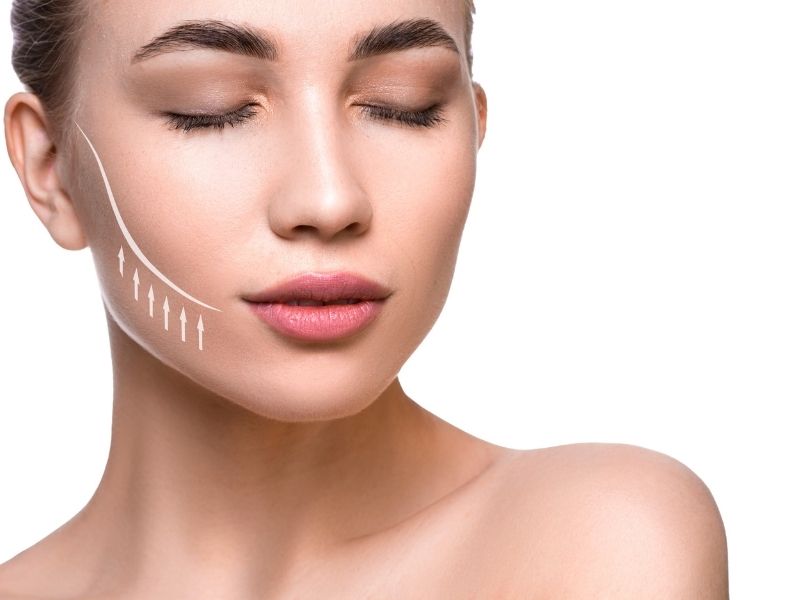
Facelift surgery is a surgical procedure performed to eliminate age-related sagging, deep wrinkles, and tissue laxity in the face and neck area. During the operation, not only is the surface of the skin tightened, but the SMAS (Superficial Musculoaponeurotic System) layer, which includes the muscles and connective tissues beneath the skin, is also repositioned.
While older surgical approaches that only tightened the skin could create an artificial and “pulled” facial appearance, modern SMAS-focused surgical techniques make it possible to achieve a natural, rested, and youthful facial anatomy.
What Problems Does It Address?
- Sagging and volume loss in the cheek area
- Loss of definition along the jawline (jowl line) and laxity in the lower face
- Deep folds extending from the sides of the nose to the corners of the mouth (nasolabial folds)
- Tissue sagging in the neck area and the appearance of a “turkey neck”
- General loss of elasticity in the middle and lower thirds of the face
Facelift Surgery Techniques
The surgical technique is determined according to the patient’s age, skin quality, degree of tissue sagging, and anatomical structure.
1. Traditional (Full) Facelift
This technique is generally preferred for individuals aged 50 and over who show extensive signs of aging. The incisions begin in the hair-bearing scalp in the temple area, continue around the front of the ear, and extend behind the ear and into the hairline. Both the SMAS layer is repositioned upward and backward, and excess skin tissue is removed.
2. Mini Facelift
This technique is suitable for younger patients, generally between the ages of 40 and 50, who have milder sagging. The incisions are limited to the area in front of the ears. The recovery process is faster compared to the traditional method and provides a minimally invasive approach.
3. Deep Plane Facelift
This is one of the most advanced techniques that has gained prominence in aesthetic surgery in recent years. In this method, instead of separating the skin from the SMAS layer, the surgeon enters the deeper plane beneath the SMAS, releases the muscle and fat tissues as a single unit, and repositions them upward. It provides extremely natural and long-lasting results without creating a feeling of tightness in the face.
4. Facelift Combined with Neck Lift (Platysmaplasty)
Sagging in the face generally progresses in parallel with laxity in the neck. A neck lift, performed by tightening the Platysma muscle beneath the chin and removing excess skin, can be combined with facelift surgery to achieve complete rejuvenation of the lower face and neck.
Why Have Facelift Surgery in Turkey?
Turkey is the first choice for thousands of international and domestic patients undergoing aesthetic surgery procedures every year. The main factors behind this are as follows:
Experienced and Specialized Surgeons
Turkish plastic surgeons have extensive experience thanks to their education both domestically and internationally, international accreditations (EBOPRAS, ISAPS, etc.), and high surgical case volumes. High success rates in complex cases contribute to raising the standards of aesthetic surgery in Turkey.
Internationally Accredited Hospitals
Operations are performed in fully equipped hospitals with JCI (Joint Commission International) accreditation and advanced intensive care units. This maximizes patient safety both during and after surgery.
Comprehensive Service Approach
Services provided within the scope of medical tourism are not limited to surgery alone; airport transfers, accommodation, personalized interpreter support, and postoperative care processes are planned in an integrated manner.
Preoperative Preparation Process
The foundation of a successful facelift operation is proper planning and a thorough preoperative preparation period.
- Detailed Consultation: The surgeon examines the patient’s facial anatomy, evaluates skin quality, and analyzes expectations. The patient’s general medical history is reviewed in detail.
- Medical Tests: Before surgery, blood tests, an electrocardiogram (ECG), and additional anesthesia evaluations when necessary are performed.
- Smoking and Alcohol Consumption: Smoking impairs tissue circulation, significantly delays wound healing, and increases the risk of necrosis. Smoking and alcohol consumption should be completely stopped at least 3-4 weeks before surgery.
- Medication Adjustment: Blood-thinning medications, aspirin, certain vitamin supplements, and herbal teas should be discontinued under a doctor’s supervision at least 2 weeks before surgery.
Surgical Process and Recovery Period
Facelift surgery is performed under general anesthesia and takes an average of 3 to 6 hours depending on the extent of the operation.
The Day of Surgery and the First 24 Hours
After surgery, small drains may be placed to remove fluids that could accumulate beneath the tissues. A light compression bandage is applied to the facial area. The first night is generally spent under observation in the hospital.
The First Week
- During the first 3-4 days, swelling (edema) and bruising in the face reach their highest level and then begin to decrease rapidly.
- Pain is generally at a level that can be easily controlled with prescribed painkillers.
- Sleeping with the head elevated helps the swelling subside more quickly.
- Drains are generally removed within 1-2 days, while sutures are removed within 7-10 days.
The First Month After Surgery
- From the first week onward, patients can generally return to their social lives and light desk-based work.
- Heavy exercise, steam baths, saunas, and direct sunlight should be avoided for at least 4-6 weeks.
- Feelings of numbness or reduced sensation in the face gradually improve as the tissues heal.
Natural Appearance and Scarless Healing After Surgery
One of the greatest concerns of individuals considering facelift surgery is the visibility of surgical scars.
In aesthetic surgery, incisions are concealed within the natural folds of the face, such as the line in front of the ear, behind the ear, and within the hair-bearing scalp. Once healing is complete, these scars gradually fade to match the skin tone and become less noticeable. Scars that appear pink during the first few months gradually become almost invisible over time with the regular use of silicone-based creams and sunscreen recommended by the surgeon.
How Long Do the Results of the Surgery Last?
Facelift surgery does not stop time, but it “turns back the clock.” The rejuvenating effect achieved after surgery generally lasts for 10 to 15 years. The individual continues to age, but will always maintain a much younger and fresher appearance compared to how they would have looked without undergoing surgery.
To prolong the results:
- Sunscreen should be used regularly,
- Smoking and alcohol should be avoided,
- A balanced diet and regular sleep habits should be maintained,
- Skin care routines should not be neglected.
Undergoing facelift surgery in Turkey, when combined with the selection of the right surgeon and a fully equipped hospital, is a surgical investment that can offer highly safe and satisfying results. Conducting detailed research before surgery, having realistic expectations, and fully complying with postoperative care instructions are the most important steps in achieving a natural, fresh, and youthful appearance.