

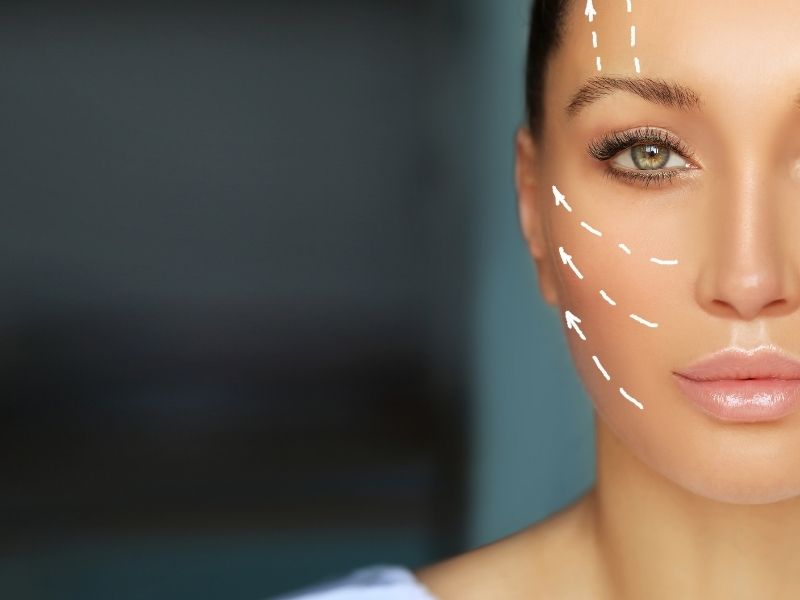
As we age, changes such as reduced skin elasticity, downward displacement of facial tissues, loss of jawline definition, and skin laxity in the neck area may occur. Facelift surgery is one of the surgical procedures that can be considered when these age-related changes become more noticeable.
Facelift surgery is not simply a procedure that aims to tighten the skin. Modern facelift techniques also take into account the deeper facial tissues, underlying structures, and, when necessary, the neck area. The goal is not to change a person’s facial identity, but to address age-related laxity and tissue displacement to achieve a more rested, balanced, and natural-looking appearance.
What is Face Lift Surgery?What is Facelift Surgery?
Facelift surgery, medically known as a facelift or rhytidectomy, is an aesthetic surgical procedure designed to address visible signs of aging in the face and neck.
Sagging in the mid and lower face, loss of jawline definition, and laxity in the neck can make the face appear more tired or older. During facelift surgery, these changes are evaluated according to the patient’s individual facial anatomy.
The extent of the procedure is not the same for everyone. In some patients, the main concern may be concentrated around the lower face and jawline, while others may require the cheeks, jawline, and neck to be addressed together. For this reason, the surgical plan is tailored to the individual’s needs rather than following a standard approach.
How Is Facelift Surgery Performed?
Facelift surgery is generally performed under general anesthesia. The surgical technique, extent of the operation, and any additional procedures are determined according to the patient’s facial structure and individual needs.
During surgery, incisions are planned within natural anatomical folds whenever possible. They may typically extend along the hairline, in front of the ear, and around the ear. If the neck also requires treatment, the surgical plan may be expanded accordingly.
Modern facelift surgery does not focus solely on removing excess skin. The supporting tissues beneath the skin may also be repositioned. This approach aims to preserve natural facial contours rather than creating an excessively tight or pulled appearance.
Once the tissues have been repositioned appropriately, the necessary amount of excess skin is removed and the incisions are closed. The duration of the operation may vary depending on the surgical technique, the procedures performed on the face and neck, and any additional treatments carried out during the same session.
Which Areas Can Be Addressed with Facelift Surgery?
The areas addressed during facelift surgery vary depending on the selected surgical technique. The lower cheeks, area around the mouth, jawline, and neck are among the main regions evaluated during surgical planning.
Loss of jawline definition over time can create a heavier appearance in the lower face. During facelift surgery, tissues in this area may be repositioned to achieve a more defined jawline.
If there is significant skin laxity or visible muscle bands in the neck, neck lift procedures may also be incorporated into the facelift. This can help create a more balanced transition between the face and neck.
However, facelift surgery does not necessarily address every sign of facial aging on its own. For example, excess eyelid skin, eyebrow position, or facial volume loss may require separate or complementary procedures.
Who Is a Suitable Candidate for Facelift Surgery?
Facelift surgery Rather than a specific age limit, the visible signs of facial aging and the person’s overall health are more important when determining suitability for
Facelift surgery may generally be considered when laxity in the face and neck becomes more noticeable, the jawline loses its previous definition, or non-surgical treatments are unlikely to meet the individual’s expectations.
Before surgery, the patient’s overall health, current medications, previous operations, and expectations should be evaluated in detail. Suitability for surgery can only be determined following a medical examination.
What Is the Recovery Process After Facelift Surgery?
During the first few days following facelift surgery, swelling, edema, bruising, tightness, and tenderness may occur. The severity of these symptoms can vary depending on the extent of the procedure and the individual’s healing characteristics.
During the initial recovery period, it is important to keep the head elevated, follow the surgeon’s postoperative care instructions, and avoid movements or activities that may place unnecessary stress on the surgical area.
Swelling and bruising gradually begin to decrease over time. The time required to return to social activities and everyday routines varies depending on the extent of the operation. For this reason, there is no single recovery timeline that applies to every patient.
Postoperative follow-up appointments are also an important part of recovery. The incisions, reduction of swelling, and healing of the tissues are monitored according to the planned follow-up schedule.
The final appearance of the face may take longer to become fully visible than the initial recovery period. Swelling needs time to resolve, and the tissues gradually adapt to their new position.
How Is a Natural Appearance Achieved After Facelift Surgery?
One of the most important considerations in facelift surgery is avoiding an excessively tight or pulled appearance. Achieving a natural-looking result requires preserving the individual’s facial anatomy and carefully evaluating the relationship between the skin and deeper facial tissues.
The objective is not to make the face look completely different. Instead, tissues that have shifted downward with aging are repositioned to a more anatomically appropriate location.
The relationship between the eyebrows, eyes, cheeks, area around the lips, jawline, and neck should be considered during surgical planning. For this reason, the extent of facelift surgery is individually determined for each patient.
What Should Be Considered Before Facelift Surgery?
Before the operation, a detailed examination is performed to determine which areas of the face show the most significant signs of aging. It is important that the patient’s expectations are compatible with what can realistically be achieved through surgery.
All medications and supplements being used should be disclosed to the surgeon. In particular, any adjustments involving medications that may affect bleeding risk should only be made under the guidance of the relevant physician.
Smoking can negatively affect wound healing, so this should also be addressed before and after surgery. Ensuring that the patient’s overall health is suitable for surgery is another essential part of preoperative planning.
Is Facelift Surgery Risky?
As with any surgical procedure, facelift surgery carries certain potential risks and complications. These may include bleeding, hematoma, infection, wound-healing problems, changes in sensation, scarring, and asymmetry. Complications involving branches of the facial nerve are also among the risks that should be considered in facelift surgery.
The level of risk depends on several factors, including the patient’s general health, the surgical technique used, and the extent of the operation. For this reason, potential risks should be discussed in detail with a qualified plastic, reconstructive, and aesthetic surgeon before surgery.
How Is the Right Time for Facelift Surgery Determined?
Facelift , there is no specific age at which everyone should undergo a facelift. The need for surgery is determined more by anatomical changes in the face than by chronological age.
Facelift surgery may be considered when there is noticeable loss of jawline definition, sagging in the lower face, downward displacement of cheek tissues, or increasing laxity in the neck.
The extent of the facelift and the most appropriate surgical technique should be determined after a detailed facial analysis and physical examination. With appropriate surgical planning, the main goal is to reduce age-related changes while preserving the person’s characteristic facial features and creating a more balanced relationship between the face and neck.