

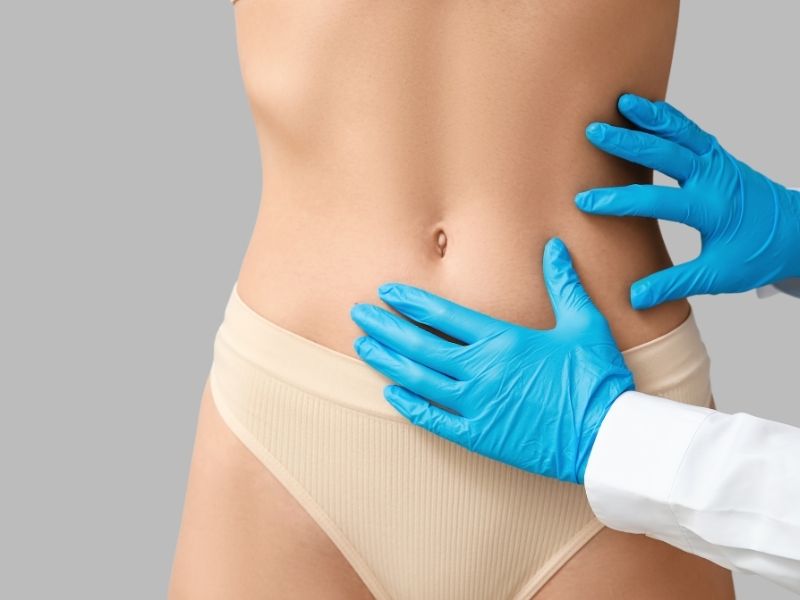
Liposuction is a body contouring procedure performed to surgically remove fat deposits that accumulate in certain areas of the body and do not respond adequately to diet or exercise. However, the body does not achieve its new contours immediately after the operation. The recovery process after liposuction progresses gradually as swelling decreases, tissues heal, and body contours become more defined.
During the first few days after liposuction, swelling, bruising, tenderness, and a feeling of tightness during movement can be expected. Most people can gradually resume their daily activities within a few days. However, complete recovery and the appearance of the final surgical results may take several months.
The duration of recovery may vary depending on the area treated with liposuction, the number of areas treated, the amount of fat removed, the surgical technique used, and the patient’s overall health condition. Therefore, the postoperative recovery process does not progress in the same way for every patient.
What to Expect During the First Few Days After Liposuction
The first few days after liposuction are generally the period when the effects of the recovery process are most noticeable. Since the fat tissue beneath the skin is treated during the operation, swelling, bruising, and tenderness may occur in the treated areas.
Common symptoms during the first few days may include:
- Edema and swelling in the treated area
- Mild to moderate pain
- Bruising
- Tenderness to the touch
- A feeling of tightness during movement
- Temporary numbness or changes in sensation
may be among the reasons.
Depending on the extent of the operation, patients may be discharged on the same day or may need to stay in the hospital overnight for observation.
From the first few days, it is important to take short walks as permitted by the surgeon. Rather than remaining completely inactive for extended periods, controlled movement helps support blood circulation.
When Do Swelling and Edema Subside After Liposuction?
Edema after liposuction is a natural part of the healing process. Since the tissues are exposed to surgical intervention during the operation, the body may temporarily retain fluid in the treated area.
Swelling may be more noticeable, especially during the first few weeks. After the initial weeks, edema gradually begins to decrease. However, it may take several months for mild swelling in the treated area to disappear completely.
Therefore, the appearance of the body during the first few days after liposuction should not be considered the final result of the operation.
As edema decreases, body contours gradually become more visible. Swelling may take longer to resolve completely, particularly when liposuction is performed on larger areas such as the abdomen, waist, hips, or legs.
When Does Bruising Disappear After Liposuction?
Bruising may occur after the operation due to the effects of cannula movement on small blood vessels in the treated areas.
The severity of bruising varies from person to person. Some individuals experience very limited bruising, while others may develop discoloration across larger areas.
Bruising is generally more noticeable during the first few days and gradually fades over the following weeks as the discoloration changes. In most people, bruising significantly disappears within a few weeks.
During this period, it is important to avoid taking medications or supplements that have not been recommended by the surgeon.
Wearing a Compression Garment After Liposuction
Wearing a compression garment after liposuction is an important part of postoperative care.
Special compression garments apply controlled pressure to the treated areas, which may help manage edema and support the adaptation of tissues to the new body contours.
The duration of compression garment use may vary depending on the extent of the operation. Patients are generally advised to wear the garment for several weeks. However, the surgeon’s personalized recommendations should be followed regarding how many hours per day and how many weeks the garment should be worn.
Since an excessively tight compression garment may negatively affect circulation, it is important to choose an appropriate size and compression level.
How Long Does Pain Last After Liposuction?
Discomfort experienced after liposuction is often described as muscle soreness, tenderness, or tightness rather than sharp pain.
Pain and tenderness are generally more noticeable during the first few days. These symptoms are expected to gradually decrease over the following days.
Pain medications prescribed by the surgeon may help make the recovery period more comfortable. Medications should not be taken without medical advice.
If pain increases significantly instead of gradually decreasing, or if it is accompanied by other symptoms such as fever, excessive redness, or discharge, the surgeon who performed the operation should be contacted.
When Can You Return to Daily Activities After Liposuction?
The time required to return to daily activities depends on the extent of the operation.
Individuals who undergo liposuction in a limited area may return to their daily routines sooner, while those who undergo more extensive procedures involving multiple areas may require a longer recovery period.
People with desk jobs can generally return to work within a few days to approximately one week. However, individuals whose jobs require physical effort may need to wait longer.
Returning to daily activities does not mean that the tissues have completely healed. During the first few weeks, heavy lifting, sudden movements, and activities that place excessive strain on the body should be avoided.
Is Hardness and Numbness Normal After Liposuction?
During the first few weeks after liposuction, hardness, irregularities, or temporary numbness may be experienced in the treated areas.
Due to edema and the tissue healing process, certain areas beneath the skin may feel firmer than others. Reduced sensation may also occur as a result of temporary effects on nerve endings.
Most of these changes gradually decrease as healing progresses. However, if persistent or worsening hardness, pain, or noticeable asymmetry occurs, a surgical evaluation is necessary.
When Will Liposuction Results Become Visible?
Liposuction results cannot be fully evaluated immediately after the operation because swelling during the initial recovery period prevents the true body contours from becoming visible.
As swelling decreases during the first few weeks, changes in body shape begin to become noticeable. Over the following months, the treated areas become more defined as edema continues to subside.
For most people, the body contours largely settle into their new shape within a few months. However, complete tissue recovery and evaluation of the final results may take 3–6 months in some individuals.
This period may vary depending on the number of treated areas and the individual’s healing characteristics.
What Should You Pay Attention to After Liposuction?
Liposuction following the surgeon’s postoperative instructions is important to ensure that the recovery process progresses in a controlled manner.
During this period:
- The compression garment should be worn for the recommended duration.
- Prescribed medications should be taken regularly.
- Controlled movement should begin within the first few days.
- Strenuous exercise should not be resumed too early.
- Adequate fluid intake should be maintained.
- The surgeon’s recommendations regarding smoking and alcohol consumption should be followed.
- Follow-up appointments should not be missed.
- Massage or excessive pressure should not be applied to the treated area without the surgeon’s recommendation.
Additionally, if symptoms such as progressively increasing pain, significant swelling on one side, shortness of breath, high fever, severe redness, or abnormal discharge from the surgical site occur, medical evaluation should be sought without delay.