

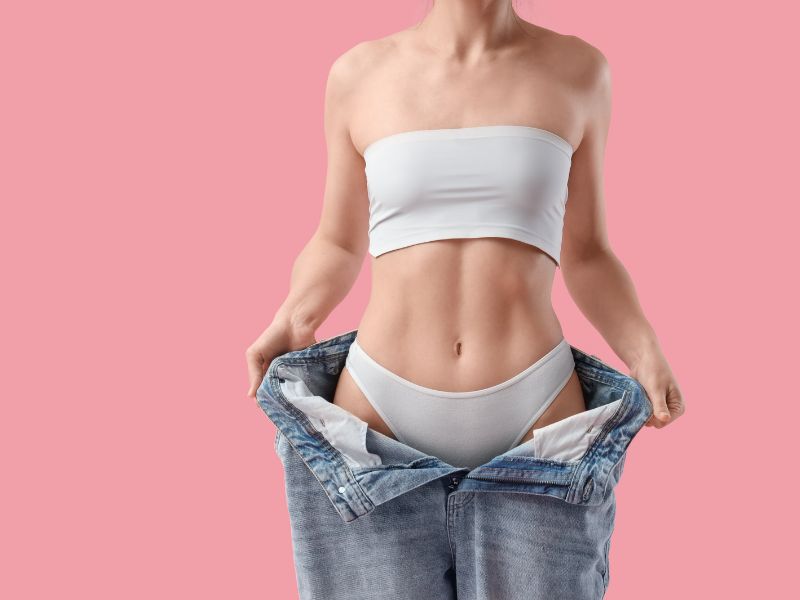
How much weight can you lose with liposuction is one of the most frequently asked questions among people who want to eliminate localized fat deposits. Liposuction is a surgical procedure performed not for direct weight loss but to reduce fat tissue accumulated in specific areas of the body and reshape body contours. Depending on the amount of fat removed during the procedure, body weight may decrease by a few kilograms. However, the primary change achieved after liposuction is reflected in body measurements and localized slimming rather than the number on the scale.
The amount of fat that can be removed through liposuction varies depending on the person’s current weight, body structure, fat distribution, and the areas being treated. Therefore, the same amount of fat removal or the same degree of weight loss cannot be expected in every patient.
How Much Weight Can You Lose with Liposuction?
Liposuction surgery can generally result in a reduction of a few kilograms in body weight. However, since this amount varies from person to person, it would not be accurate to guarantee a specific amount of weight loss.
The volume of fat tissue removed during liposuction is not the same as the weight change observed on the scale. During the procedure, a certain amount of fluid is also removed along with the fat tissue. Additionally, swelling that occurs after surgery may temporarily increase body weight.
For example, a person who undergoes liposuction in the abdominal and waist areas may experience noticeable waistline reduction even if the change on the scale is limited.
The success of liposuction surgery is evaluated not by the amount of weight lost but by the improvements in body proportions and the reduction of localized fat deposits.
How Many Clothing Sizes Can You Lose with Liposuction?
The number of clothing sizes a person may lose after liposuction depends on the area treated and the amount of fat removed. Therefore, a specific reduction in clothing size cannot be guaranteed for everyone after the procedure.
The main factors affecting localized slimming include:
- Body measurements before surgery
- Amount of fat tissue removed
- Distribution of fat throughout the body
- Skin elasticity
- Reduction of postoperative swelling
Liposuction procedures performed on the abdomen, waist, and hip areas may particularly lead to changes in how clothing fits the body.
However, it is important for the skin to adapt to the new body contours after liposuction. In people with low skin elasticity, fat removal alone may not provide the desired skin tightening.
Which Areas of the Body Show the Most Slimming After Liposuction?
Liposuction can be performed on different areas of the body where fat deposits accumulate and remain resistant to diet and exercise.
The most commonly treated areas include the abdomen, waist, hips, buttocks, inner and outer thighs, back, arms, and under the chin.
Abdominal and waist liposuction: This procedure is performed to reduce subcutaneous fat around the abdomen and create a more defined waistline.
Hip and thigh liposuction: This procedure aims to balance body proportions by reducing fat deposits around the hips and thighs.
Arm liposuction: This procedure helps reduce fat deposits in the upper arms. Additional procedures may be required for individuals with significant skin sagging.
Chin liposuction: This procedure can reduce fat deposits beneath the chin, helping create a more defined jawline and neck contour.
The degree of slimming that can be achieved in each area is determined through a physical evaluation before surgery.
Can You Gain Weight Again After Liposuction?
During liposuction, some of the fat cells in the targeted area are permanently removed. However, this does not mean that a person will never gain weight again.
If excessive calorie intake and a sedentary lifestyle continue after surgery, the remaining fat cells in the body may increase in size.
Additionally, weight gain can occur not only in areas that have not undergone liposuction but also in the treated areas.
To maintain liposuction results over the long term, it is important to follow a balanced diet, engage in regular physical activity, and maintain a relatively stable body weight.
Who Is Suitable for Liposuction?
Liposuction may be considered particularly for individuals with localized fat deposits whose overall health condition is suitable for surgery.
Suitable candidates for liposuction generally have the following characteristics:
- Being close to their ideal body weight
- Having stubborn fat deposits in specific areas
- Having sufficient skin elasticity
- Being in good overall health for surgery
- Having realistic expectations about the results of the procedure
Liposuction alone may not be sufficient for individuals with severe skin sagging. In particular, when significant excess skin is present in the abdominal area, other surgical procedures, such as a tummy tuck, may be considered.
Is Weight Loss from Liposuction Permanent?
Liposuction permanently removes fat cells from the treated areas. However, maintaining the body shape achieved after surgery is closely related to a person’s lifestyle habits.
Regular exercise, maintaining healthy eating habits, and avoiding significant weight fluctuations after the procedure can help preserve the results over the long term.
If weight gain occurs after liposuction, body proportions may change again. Therefore, the procedure should not be considered a substitute for healthy lifestyle habits.


